The pursuit of audio perfection in harmony with the environment.

Hi-fi accuracy.
Sound system power.
No Room Modes.

Chasing the most faithful reproduction of music ever achieved at crowd scale while solving the number one problem in outdoor entertainment: noise pollution.

Follow the Journey  →

Current Status

120dB
Peak Volume
−27dB
Attenuation at 15m
360°
Coverage
Scroll

Sizzle Reel — Coming Soon

The Mission

The pursuit of audio perfection.

In harmony with the environment.

We are chasing the most faithful reproduction of music ever achieved at crowd scale while solving the number one problem in outdoor entertainment: noise pollution.

We are building the largest open baffle music system in the world. Focusing on immersion, realism, and ultra low distortion.

Our goal is to achieve 100 dB LAeq (±3 dB) across 7 octaves within the listening area, with a controlled 35 dB attenuation at a 15 metre radius.

This is our journey in the pursuit of audio perfection in harmony with the environment.
Our Goals

100dBLAeq within listening area
35dBAttenuation at 15m perimeter
−27dBPrototype measurement at 16m

We are unlocking

Extraordinary Locations.

Every extraordinary location has a neighbour. We are building Halo's Sound Shield™ technology to unlock the world's most beautiful venues. From rooftop terraces, private estates, coastal headlands, gardens and beach venues without complaints, restrictions, or compromise.

Halo outdoor installation
Hotels Estates Rooftops Gardens Coastal Sites Tourist Areas Festivals

The Problem

Our Challenge.

The goal with audio reproduction is to transmit, amplify and broadcast signal as faithfully to the original music as possible. The Pro Music Studio comes closest to achieving this. There are three main areas that contribute to that success. Our challenge is to match or exceed the quality of a pro music studio at scale.

Signal Path

Digital connectivity has largely perfected signal transport. Signals travel without loss, amplification is cheap, and pro-grade D/A converters now compete with the best class-A amps.

Solved

Speaker Design

Driver performance has improved dramatically, but the cabinets that house them remain fundamentally flawed. Dozens of competing designs all trying to balance various considerations.

Improved

Room Acoustics

The space sound inhabits affects it as much as the other two combined. A great signal path and great speakers are undone by a bad room. Acoustic treatment isn't practical at scale.

Unsolved at Scale

The Solution

Built from first principles.

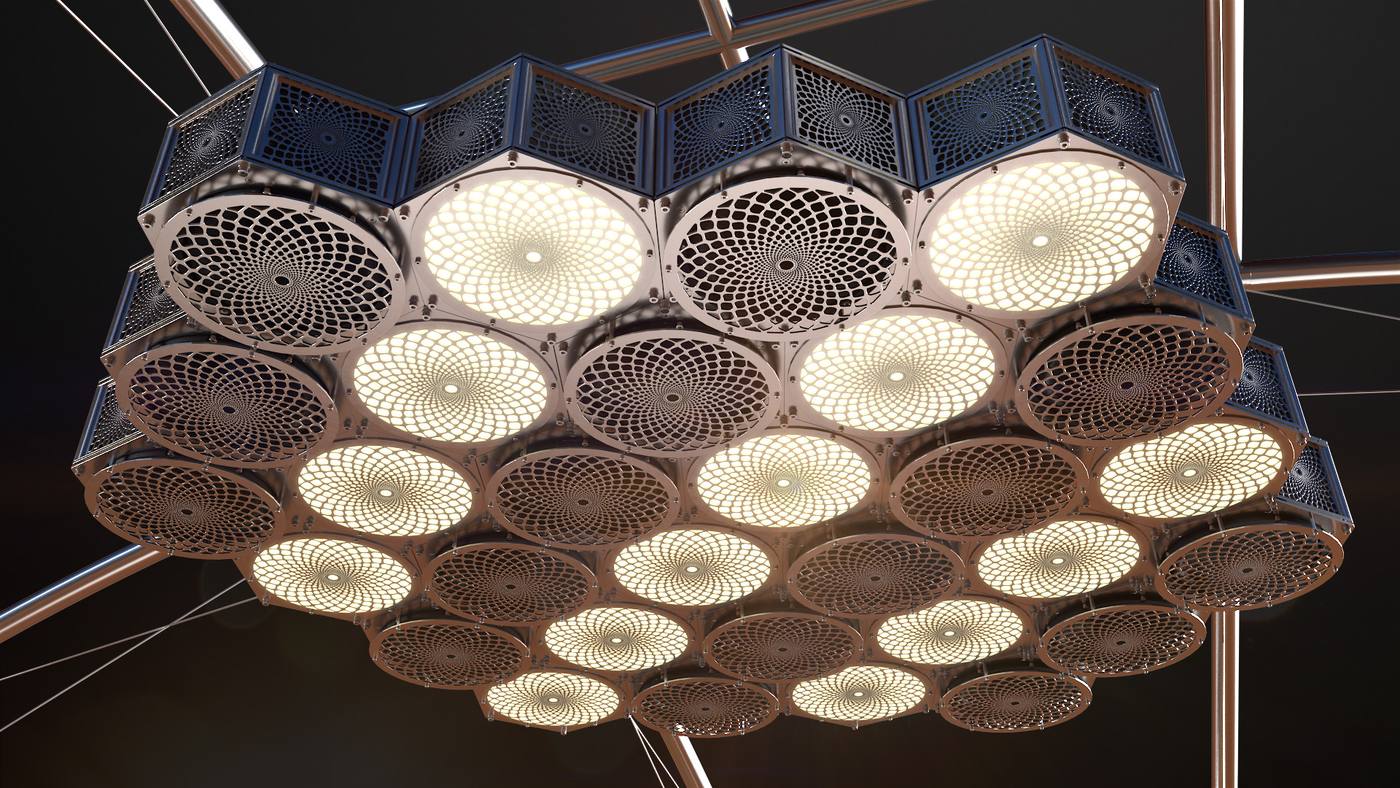
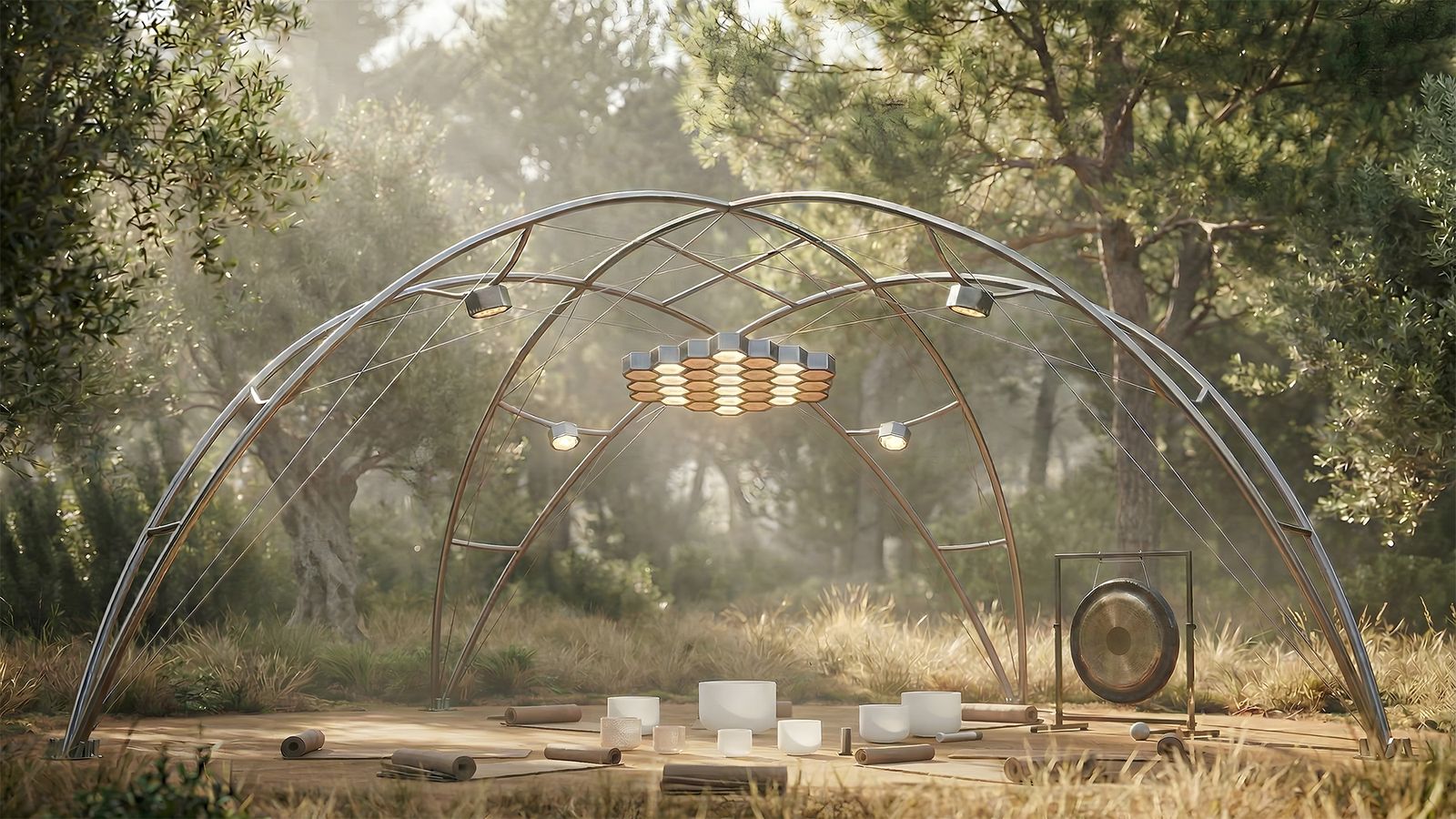
Halo introduces a new perspective in live music events — taking the purest and most faithful audio reproduction topology of open baffle dipole transducers and applying them at large scale, turning their limitations into defining design features.

Open Baffle Design

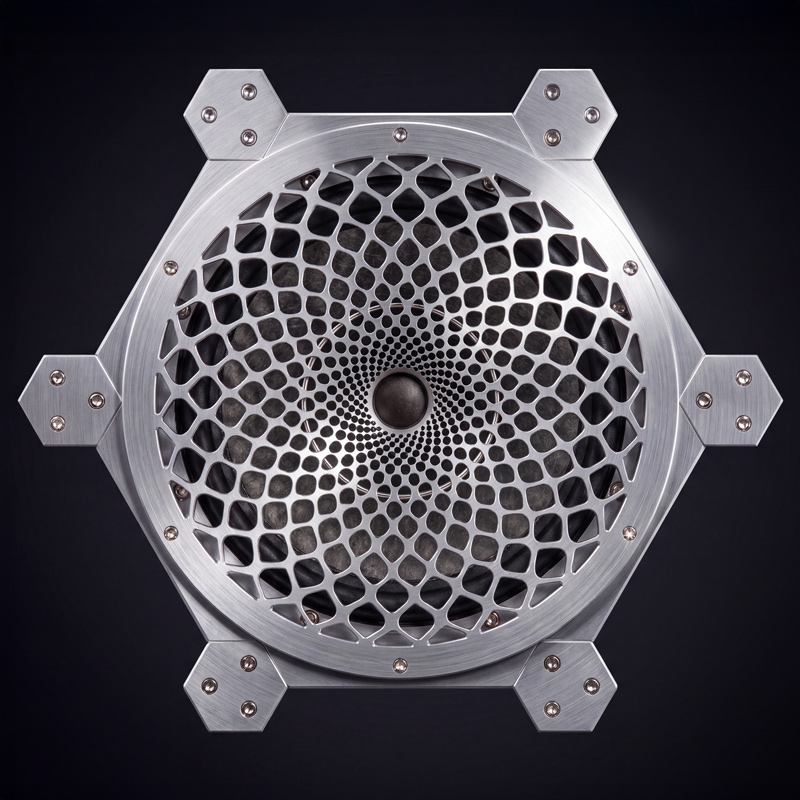
The purest audio topology — open baffle dipole transducers — applied at crowd scale for the first time. No cabinet colouration. No box resonance. Nothing between the driver and the ear but air.

Pioneered

No Room

Raising the system off the ground removes all room interaction distortions. The audience act as absorber and diffusor, collapsing standing waves. No first reflections from walls. An acoustically ideal listening environment at any scale.

Eliminated

Contained Energy

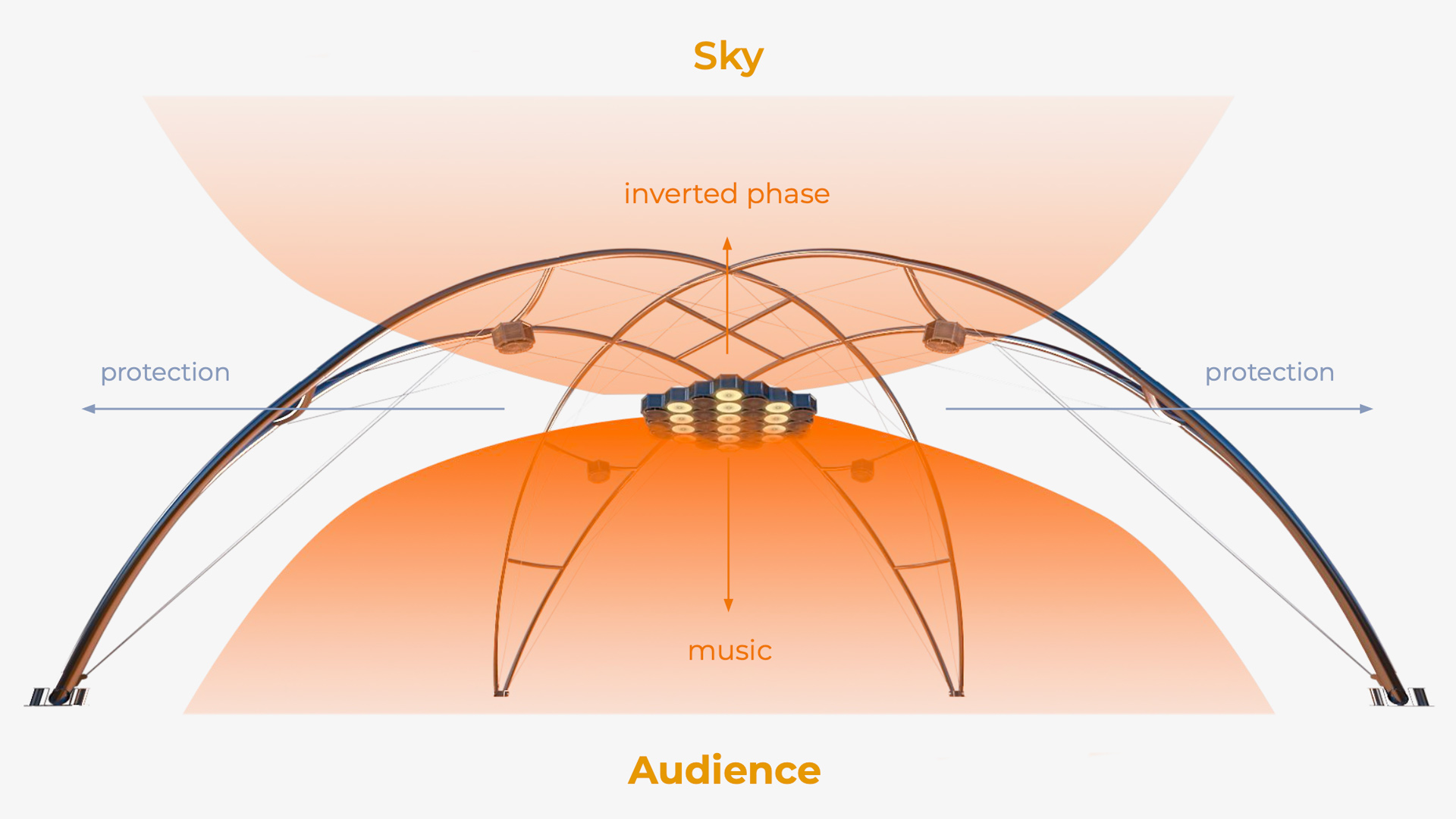
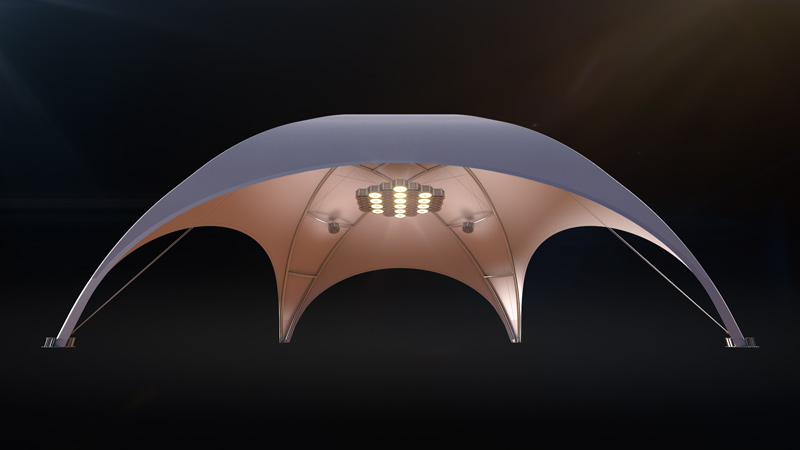
Hanging large baffles above the audience keeps all energy within the dance floor. Dipole null planes project horizontally 360° around the stage. Every listener is within metres of a speaker — immersive, personal, and controlled.

Solved

How It Works

Same physics.
New scale.

01

The System

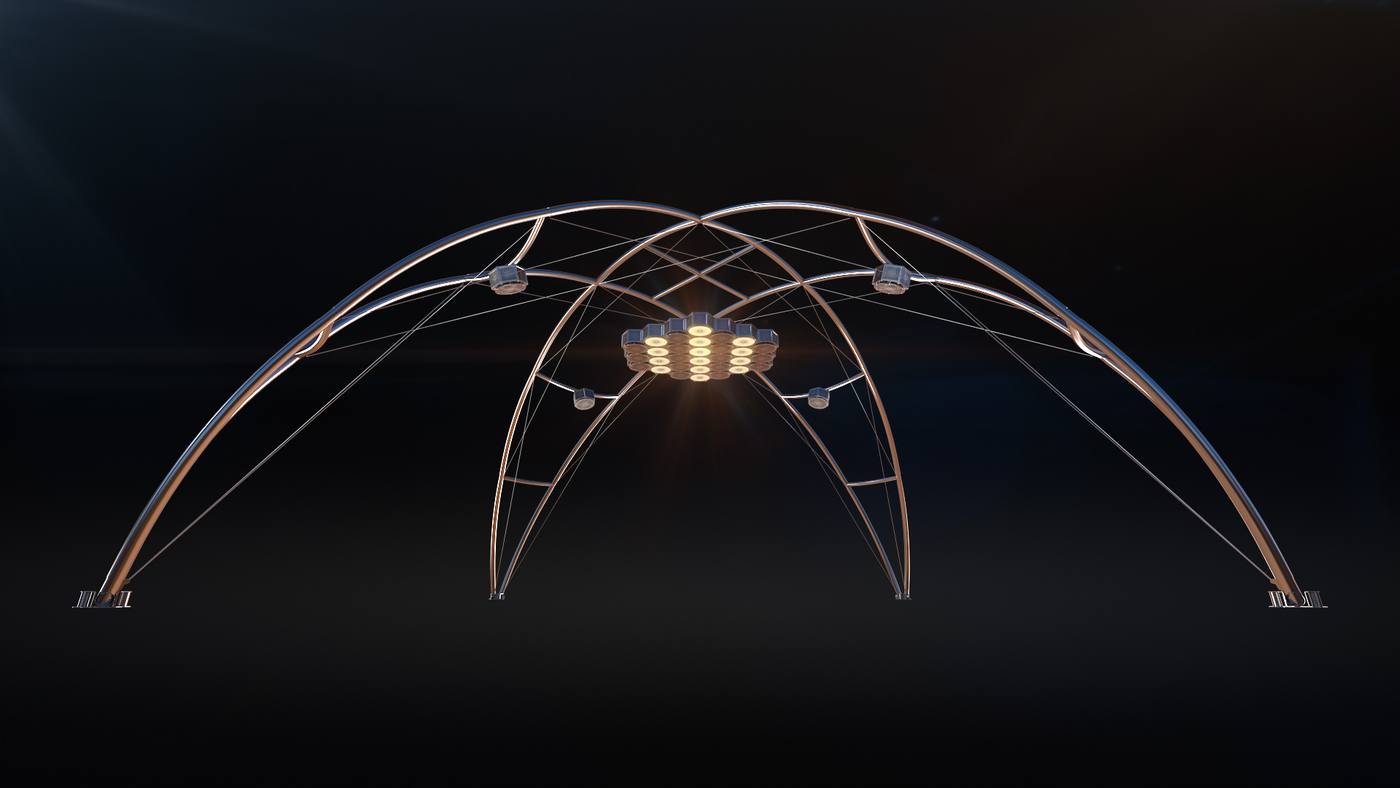
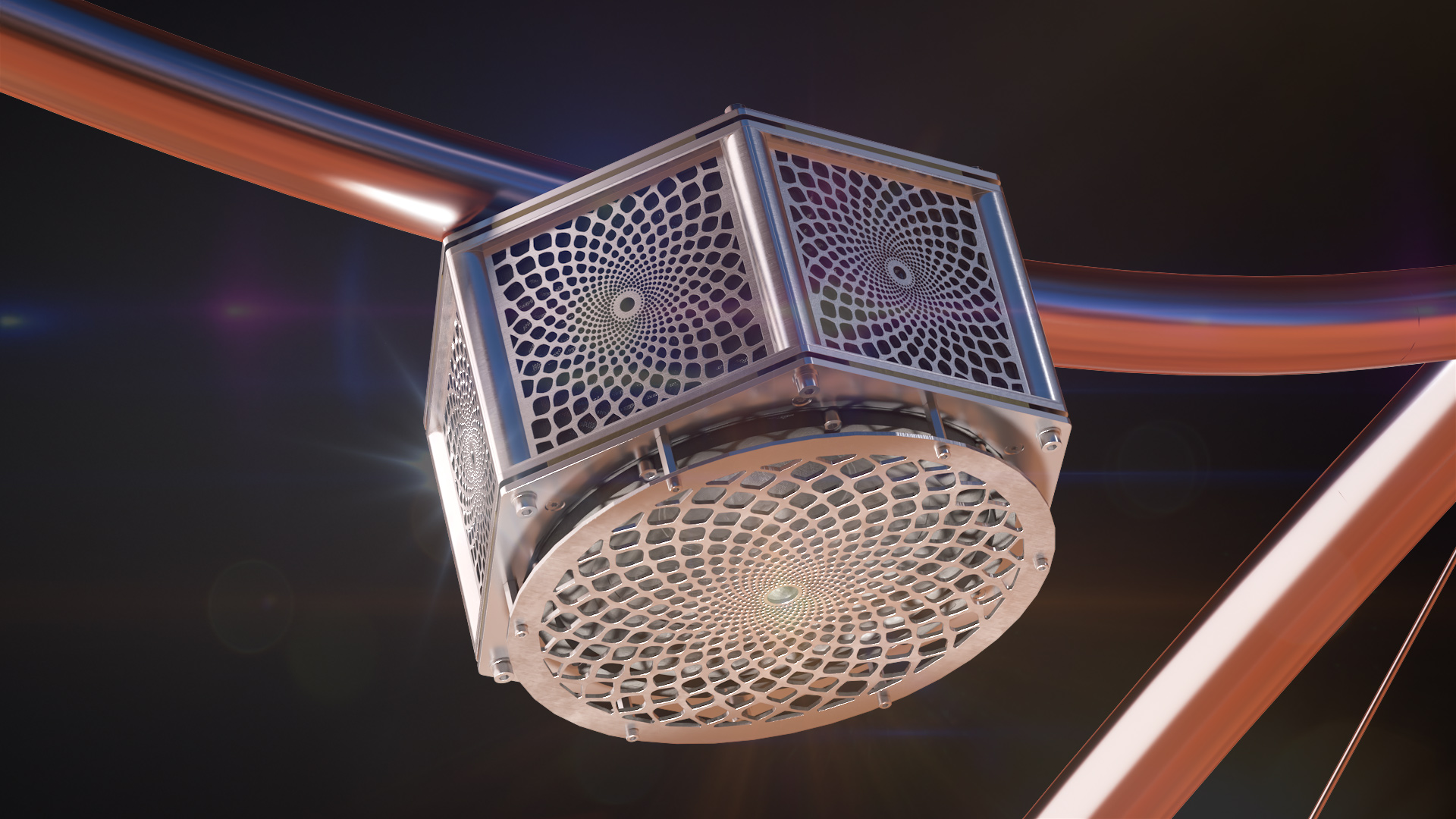
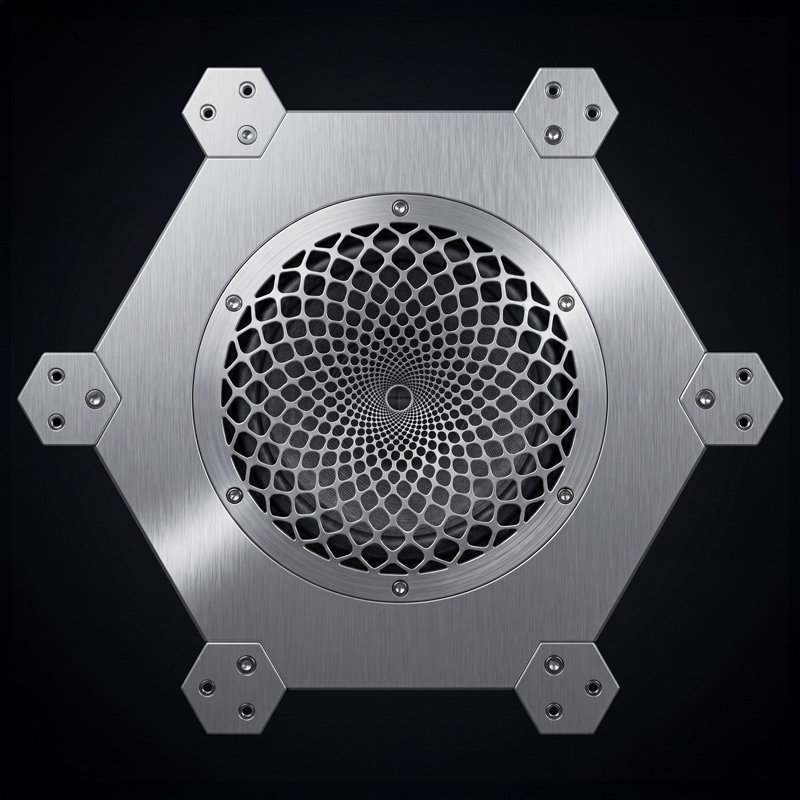
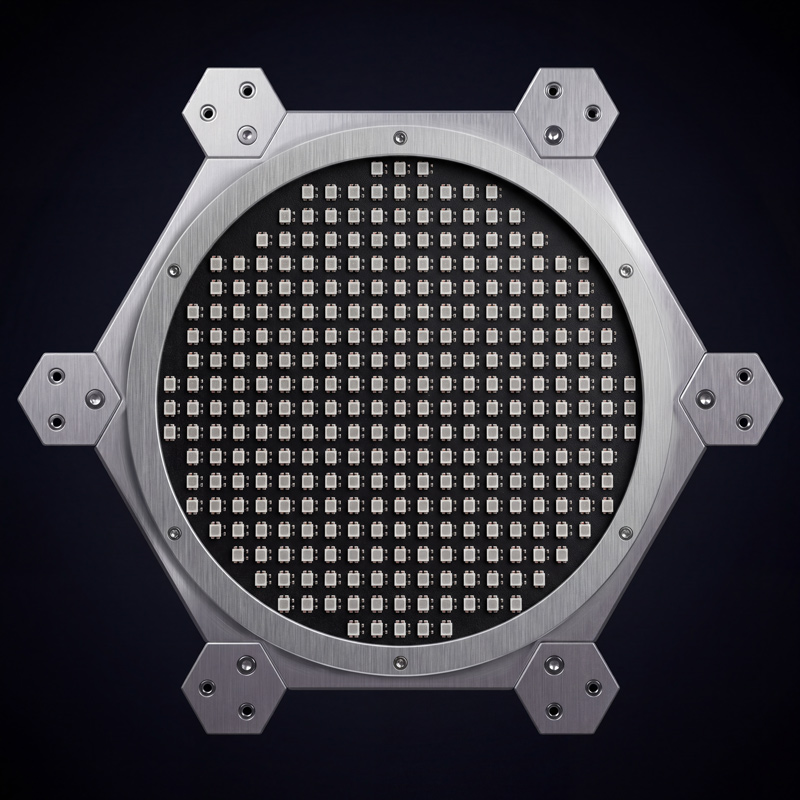
Halo uses a patent-pending design of scalable modules that array to form a matrix of speakers, blank baffles and lighting units — projecting sound and light directly onto the audience below. This unique topology enables dipole radiation wave dispersion: highly accurate, near-field listening at scale while controlling low-frequency energy beyond the audience area. Weather-sealed, acoustically transparent aluminium modules connect quickly at any scale — on pre-made touring structures or industry-standard space frame trusses.

02

The Sound

Open baffle dipole transducers offer inherent advantages: low cabinet colouration, cleaner decay, improved transient realism, less smear, better timing perception — the effortless openness of live sound. Large cone areas, high power, and phase-aligned DSP mitigate the reduced efficiency of dipoles. The previously wasted rear wave energy becomes the active cancelling force for off-site noise control.

03

No Room

Moving open baffles outdoors eliminates the room entirely — removing room modes, reverberant smear, speaker boundary interference reflections, flutter echo and wall reflections. Ground reflections are reduced. Distortion is lowered. Decay is smoothed. Harshness disappears. The standing wave that would otherwise form between the baffle and the floor is collapsed by the audience themselves — acting as a distributed absorber and diffusor. The crowd becomes part of the acoustic design. What remains is a sonically ideal environment that no indoor space can replicate.

04

The Experience

The system keeps every member of the audience within a few metres of a speaker, reducing the volume variation that plagues conventional setups. Close proximity to the direct radiator with no early reflections or waveguide colouration, enables true hi-fidelity at scale. Coaxial drivers deliver mid and high frequencies creating multiple stereo sweet spots or spatial surround sound across the entire listening area. Halo moves from projecting sound at people over distance to creating an acoustic environment people exist within. Fully immersive. Fully faithful. At any scale.

Independent Verification.

Early Simulations.

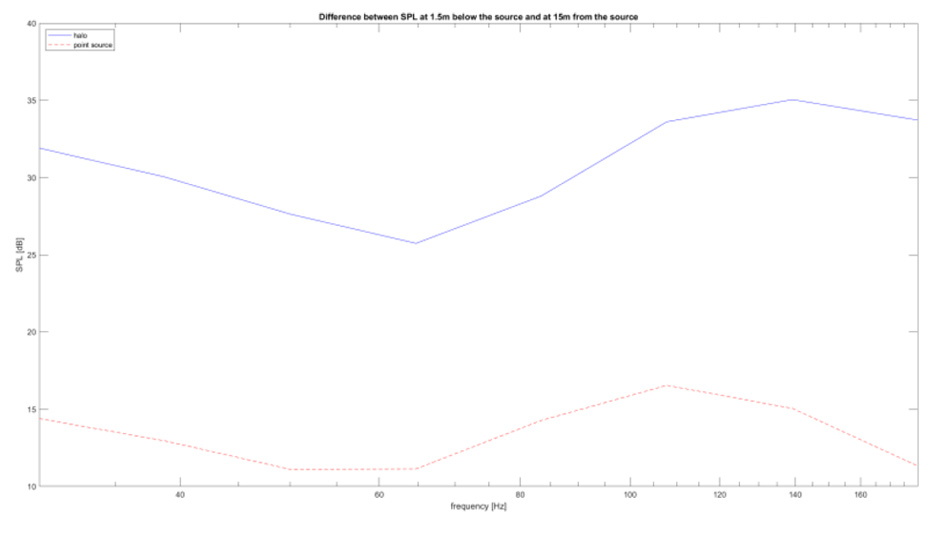
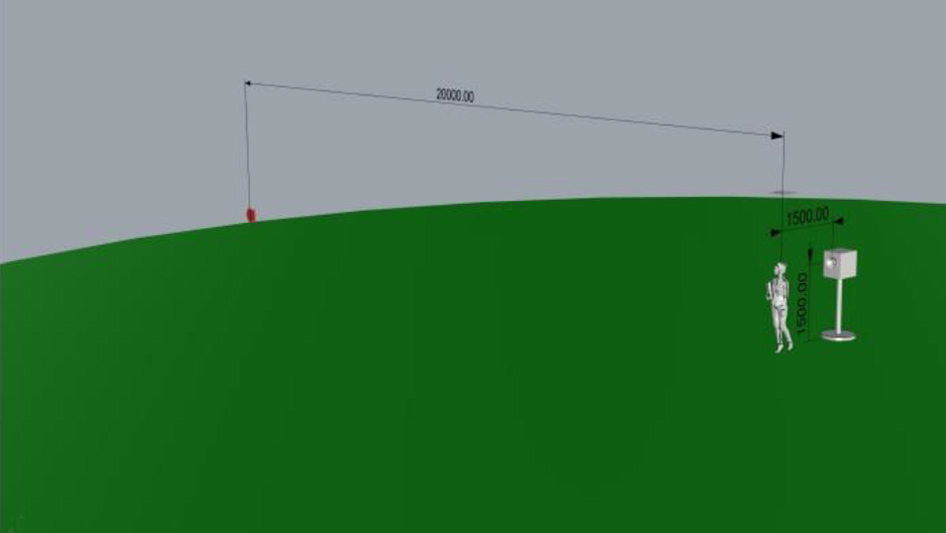
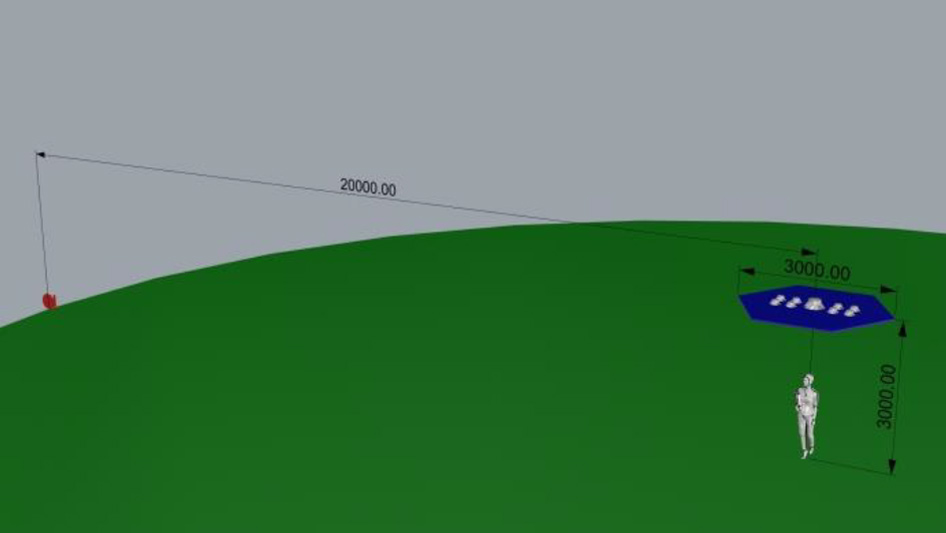
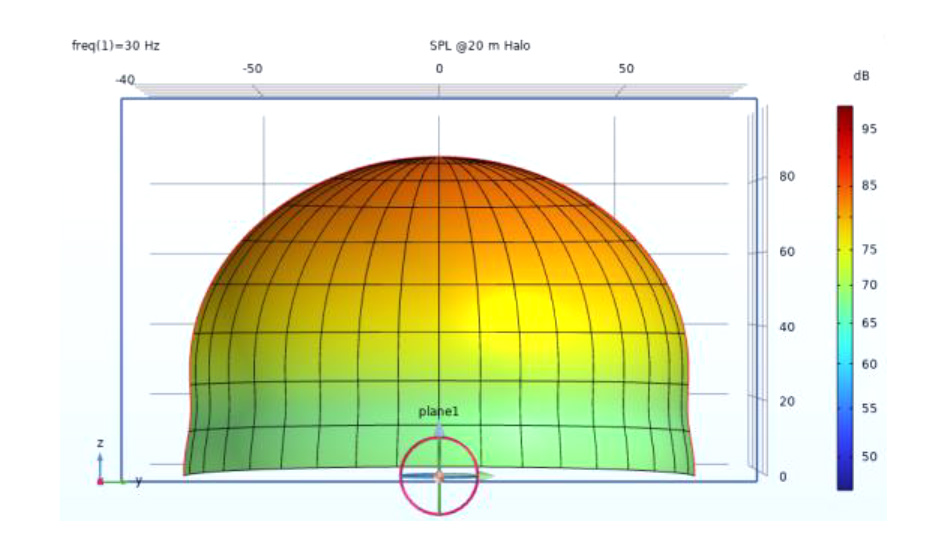
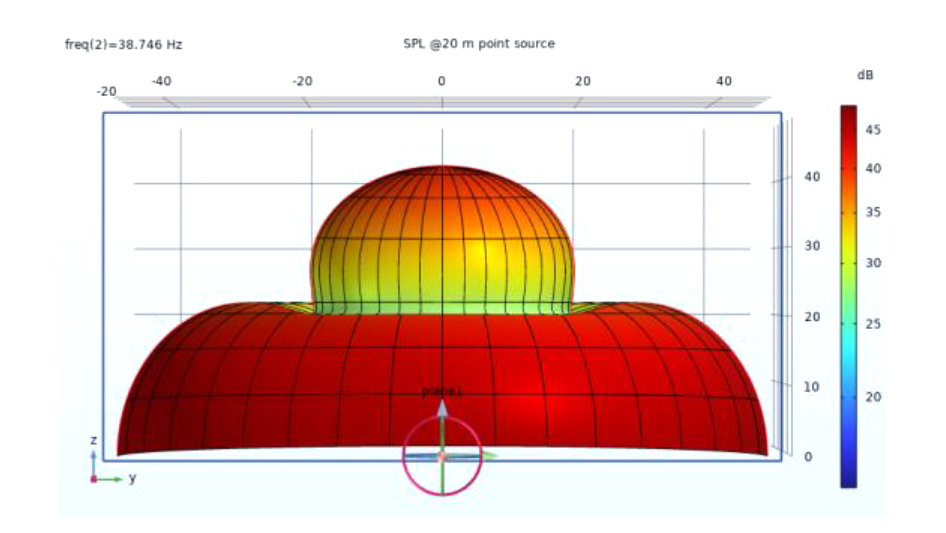
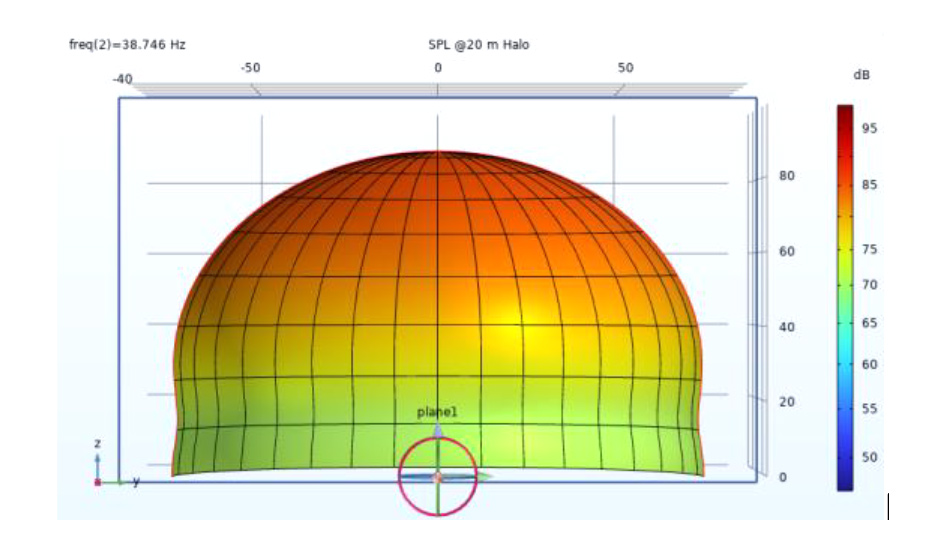
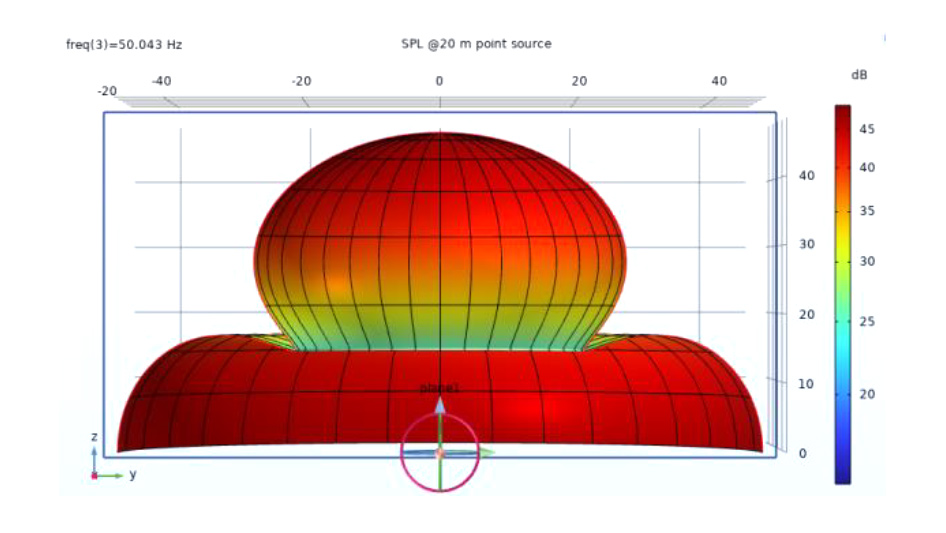
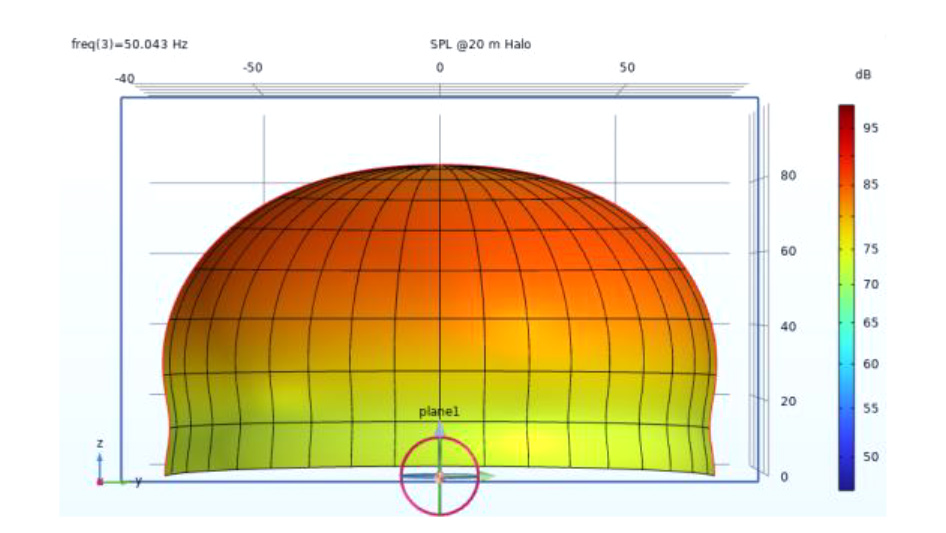
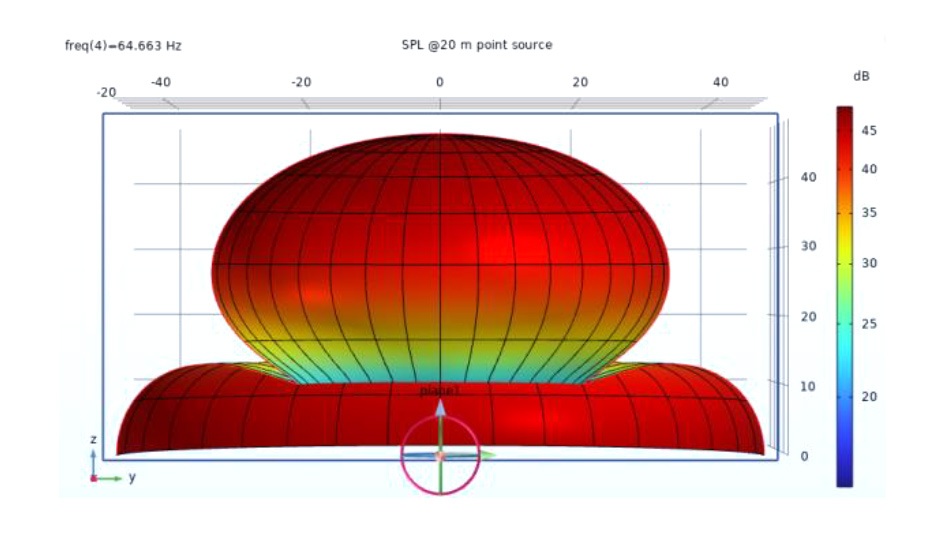
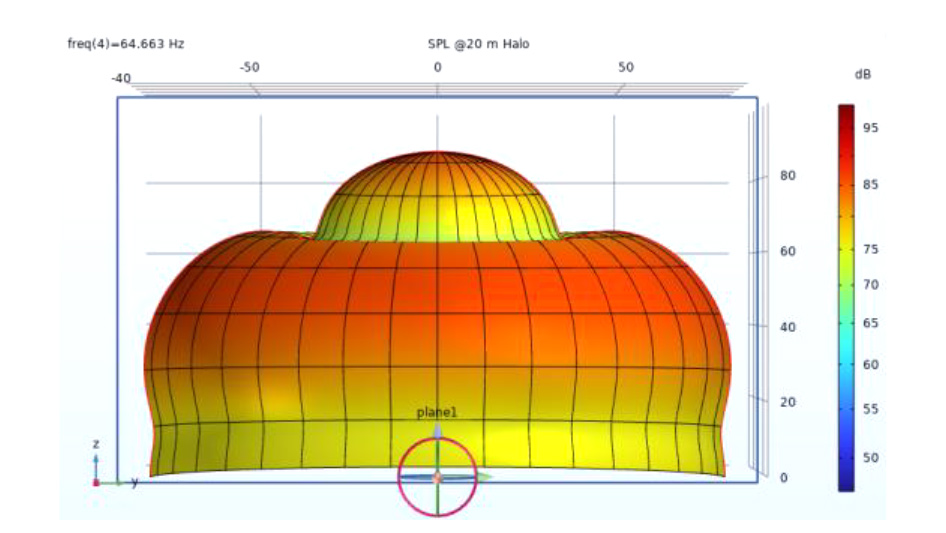
To anchor our design philosophy in physics before we started building, we commissioned an FEA comparison of sound leakage from a basic open baffle array versus a standard point source. Results showed a 15–20dB drop within 20 metres across all frequencies.

After building a full-scale prototype, we independently verified the first design — already outperforming initial modelling and achieving a measured −27dB attenuation at 16 metres.

FEA simulation chart

FEA simulation — open baffle array vs. point source

15–20dB
Simulated drop within 20m
−27dB
Independently verified at 16m
<15m
Perimeter distance achieved

Comparison — Point Source vs. Halo

Point Source Reference

Simulation overview

Halo System

Simulation overview

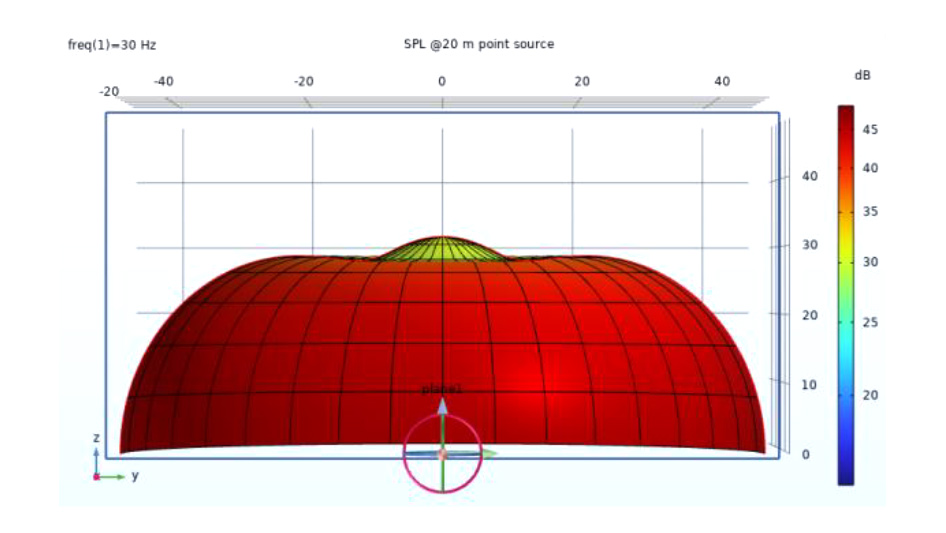
Point Source Reference

Balloon — 30Hz

Halo System

Balloon — 30Hz

Point Source Reference

Balloon — 39Hz

Halo System

Balloon — 39Hz

Point Source Reference

Balloon — 50Hz

Halo System

Balloon — 50Hz

Point Source Reference

Balloon — 65Hz

Halo System

Balloon — 65Hz

The Prototype

Proof Of Concept.

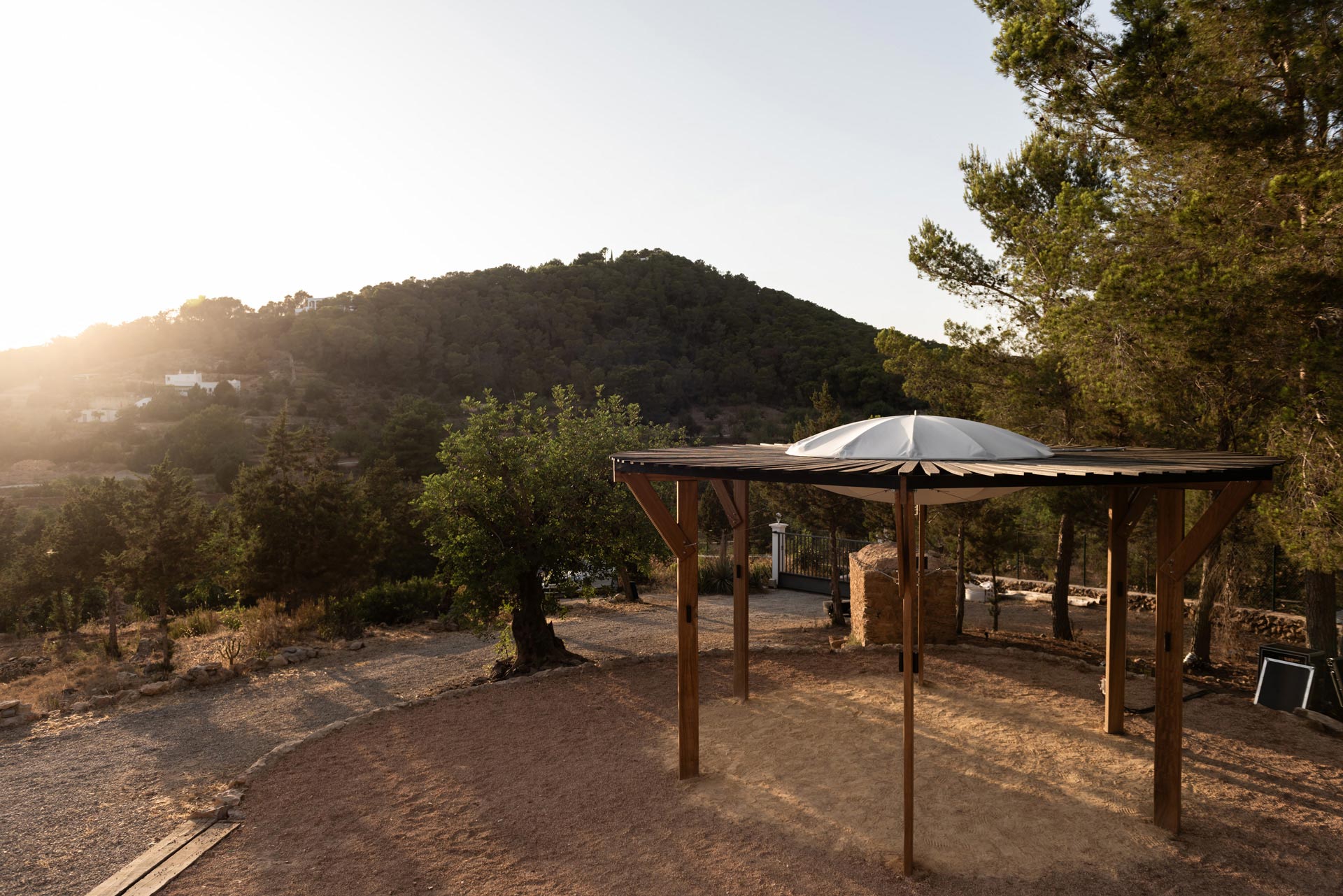
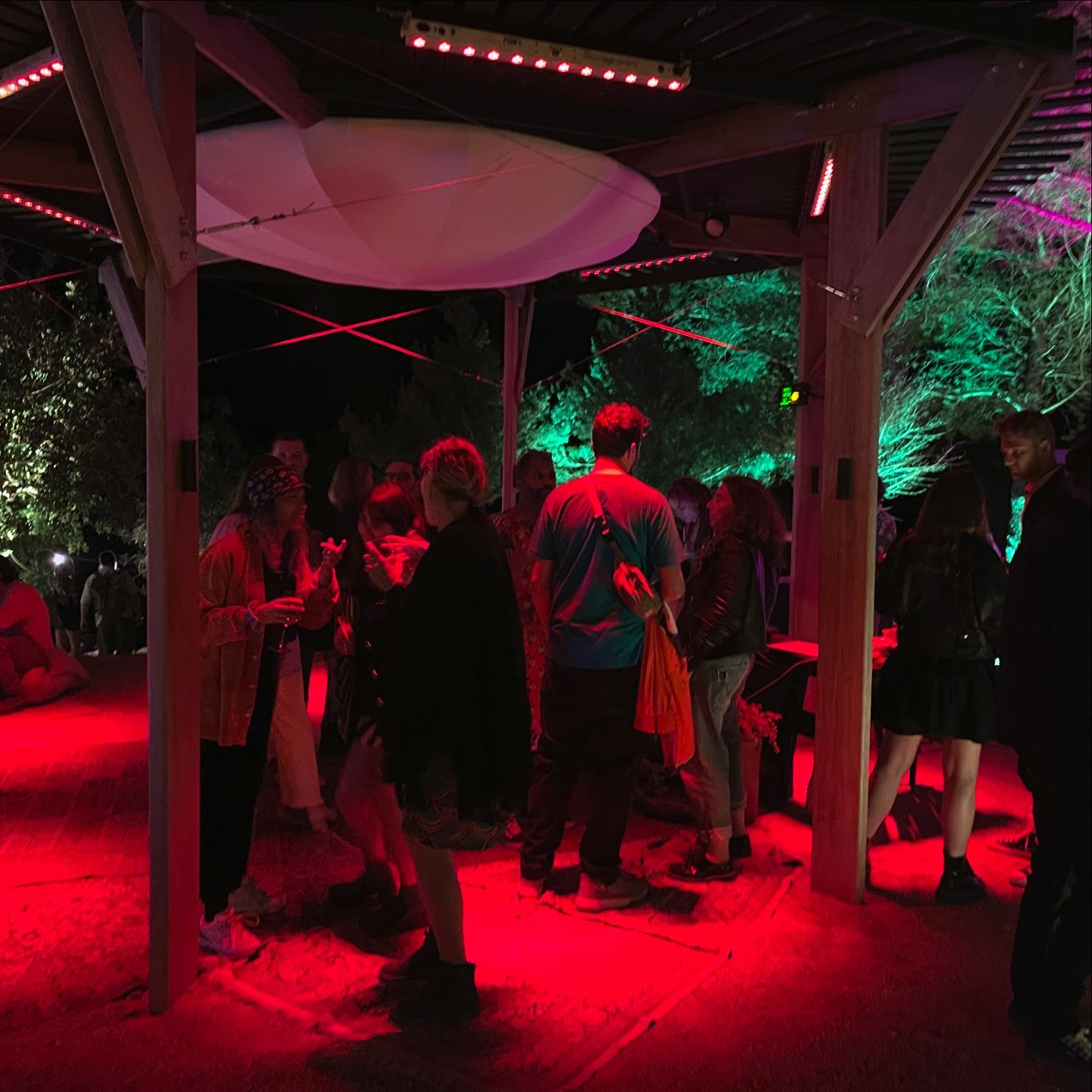
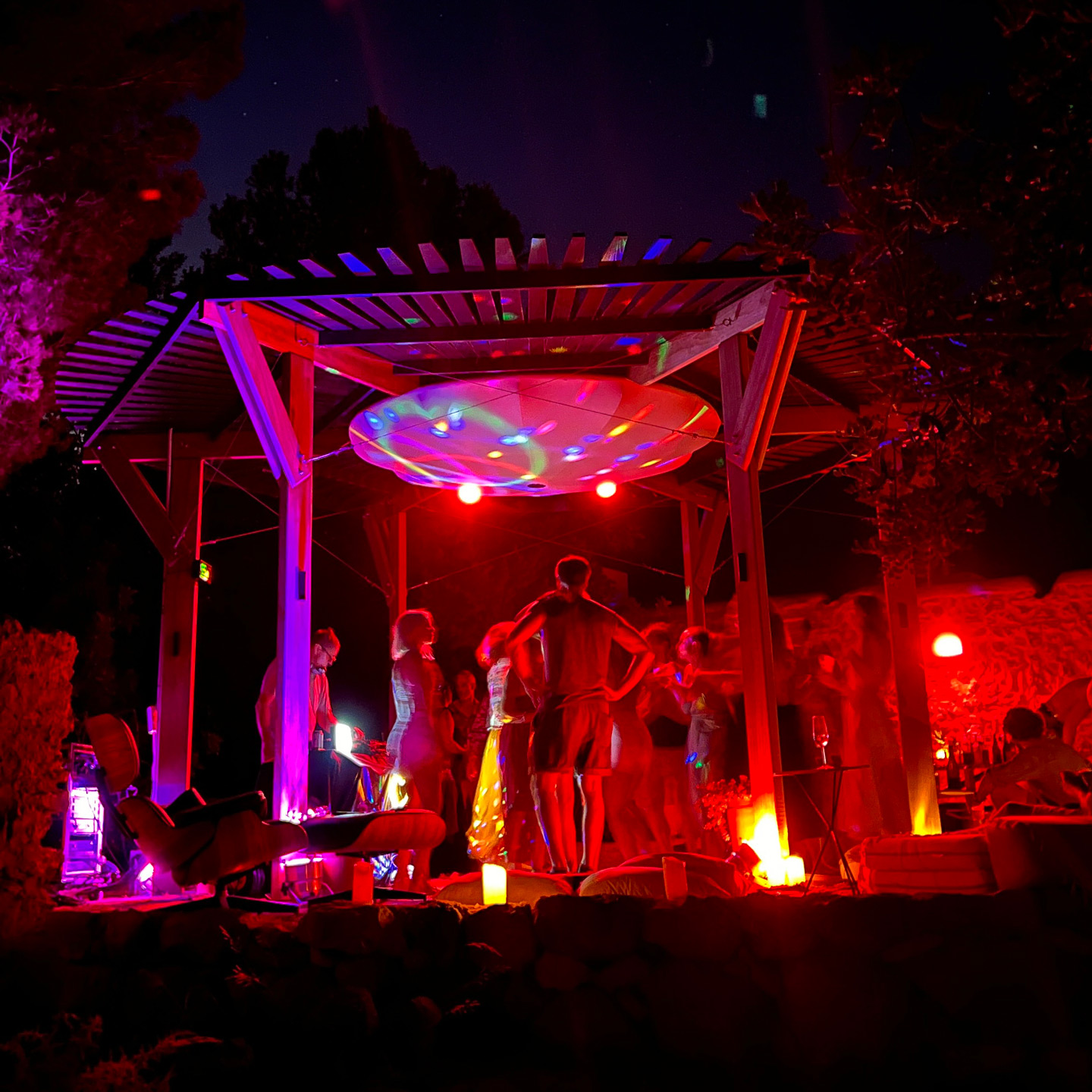
Our first full-scale prototype was built and deployed at our test facility in Ibiza. Two seasons. An open valley. Neighbours in direct line of sight. Bass-heavy music at 120dB peaks.

Zero noise complaints.

This is where the theory became fact and where we learned everything the models couldn't tell us.

Ibiza test rig in San Carlos valley

Ibiza test rig in San Carlos valley.

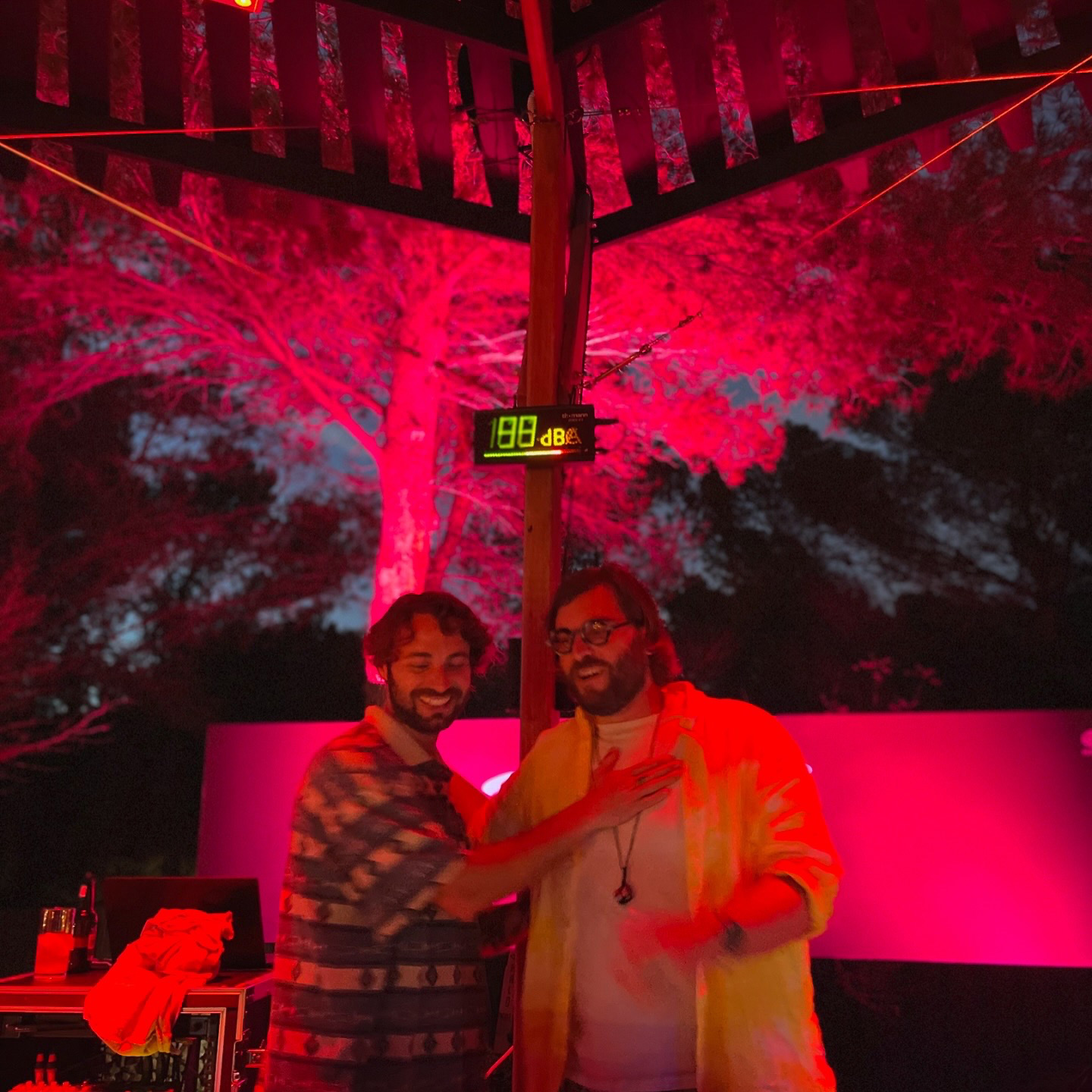
Founder Alasdair Grant and DJ Matt Moksa

Founder Alasdair Grant and DJ Matt Moksa.

CICI performing

CICI performing.

Nighttime listening

Nighttime listening.

Another late night test

Another late night test.

Metrics & Proof

Prototype
Performance.

Halo microphone measurement
93.4dB
LAeq
−27dB
66.2dB
LAeq
0m
Over 16 metres
16m

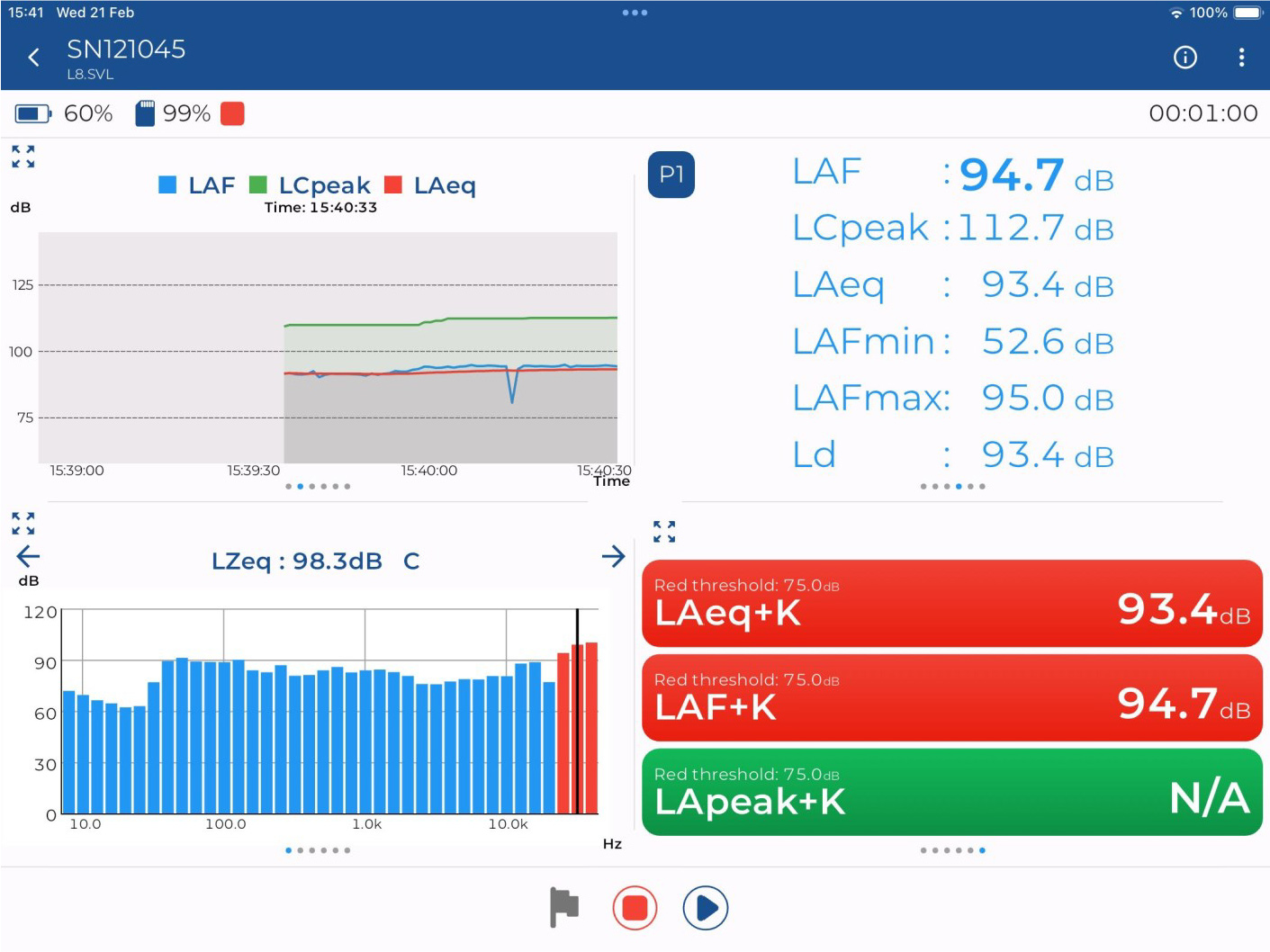
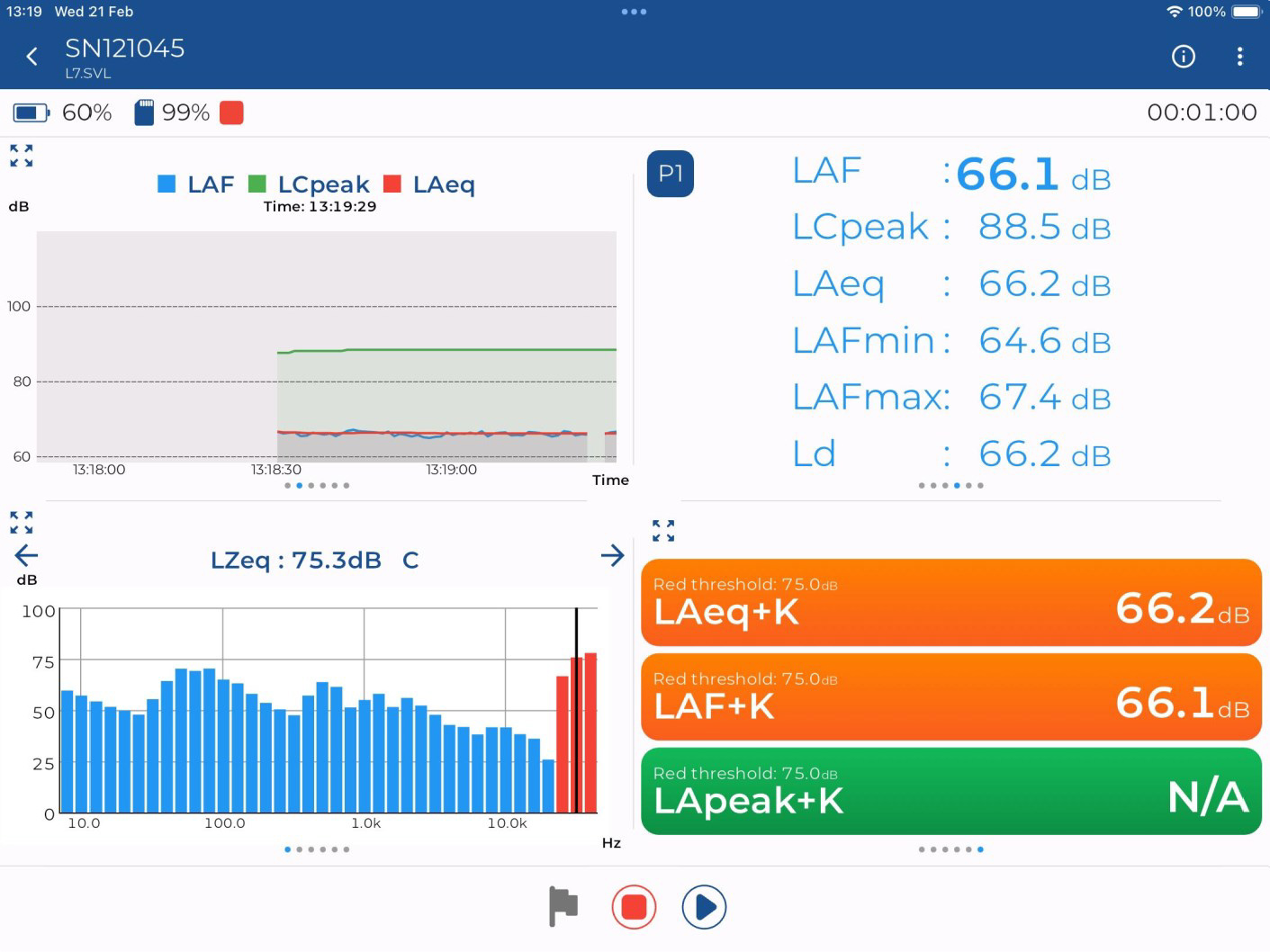
Using class one measurement microphones at multiple positions, we took a series of one-minute averaged readings across the site, from directly under the system to the outer boundary of the venue.

Under the Halo — 0m  ·  LAeq: 93.4 dB | LCeq: 98 dB | LCpeak: 112.7 dB
Concert-level sound. Full bass, full detail, directly above the dancefloor.

At 5 metres  ·  LAeq: 73.2 dB
Already approaching conversational levels at the edge of the listening area.

At 16 metres — venue perimeter  ·  LAeq: 66.2 dB | LCeq: 66 dB
A 32 dB drop in C-weighted (bass-inclusive) level from source to boundary in 16 metres. LCeq captures the full frequency range including low-end — the hardest energy to contain, and the most damaging to neighbours. In perceived terms, that is the difference between a concert and a quiet room.

32 dB of bass attenuation. On a first-generation prototype, before DSP optimisation, with larger arrays still to come. The physics have more headroom to give.

Measurement under the Halo at 0m

Measured under the Halo (0m) — L8 · LAeq 93dB · LCeq 98dB

Measurement at geodome 16m

Measured at the geodome (16m) — L7 · LAeq 66.2dB · LCeq 66dB

Testimonials

"
In the moment I stood under the system it blew my mind as it turned out to be really powerful.
— Roger ROM
"
The Halo sound quality makes a huge difference to other known speakers. Halo directly above the dance floor was like a magnet for music lovers.
— Aleks Sputnik
"
Feeling the same sound as the people on the dance floor — enveloping, with the frequencies very well separated. It doesn't need high volume, it's perfect.
— Sylvia Operé, DJ
"
Being in there with that sound, knowing it was not going anywhere but staying there, felt so safe that I would have never stopped.
— DJ Matt Moksa

Feature Highlights.

Sound Shield™ Technology

Bass Isolation
Technology.

Patent-pending Sound Shield™ and AI sound engineer Halo Maestro reduce neighbouring volume by over 27dB at 15 metres.

Learn more  →

Halo Nomad

Portable
Stage System.

A modular, deployable stage with integrated audio. Designed for events anywhere, anytime.

Learn more  →

Halo Maestro

AI Sound
Engineer.

Real-time acoustic intelligence. Continuously adapts output to the environment, crowd density, and wind conditions.

Learn more  →

Sound Shield™ Technology

Bass Isolation.

Halo's patent-pending Sound Shield™ directs music downward to the audience while inverted-phase cancellation eliminates sound escaping outward. −27dB independently verified at the perimeter — no noise complaints, no planning battles, no compromises.

  • −27dBAttenuation at perimeter
  • 4Stereo sweet spots
  • 360°Acoustic perimeter
  • MarineGrade construction
Halo Sound Shield acoustic diagram
Halo Nomad portable stage

Pop-up Venue.

Portable Stage.

A complete venue solution, not just a sound system. The Halo Stage™ is a self-contained, deployable stage with integrated spatial audio built in — flat-pack logistics, rapid on-site assembly, and full Halo sound quality wherever the event takes you.

  • <4hAssembly time
  • 360°Spatial coverage
  • Any venueIndoor & outdoor

Modular by Design

One System. Every Scale.

Every Halo system is assembled from a family of interchangeable acoustic modules. Add capacity, swap formats, reconfigure for the venue. From an intimate 100-person gathering to a festival stage of 5,000 — the same components, the same sound signature.

  • 100To 5,000 capacity
  • 4Core module types
  • Plug& play connections
  • AnyVenue configuration
Halo modular system
Halo exceptional sound

Sound Shield™ Technology

Stereo, Surround
or Spatial Audio.

Inside that perimeter, every listener is the same distance from the speakers. Instead of one narrow sweet spot, Halo creates four zones of perfect stereo imaging. The bass array showers the audience in deep low frequency while surrounding mid-high frequency speakers deliver wide, spatial sound from every angle.

  • 4Stereo sweet spots
  • 360°Spatial coverage
  • FullFrequency range
Halo Maestro AI Sound Engineer

Halo Maestro

AI Sound Engineer.

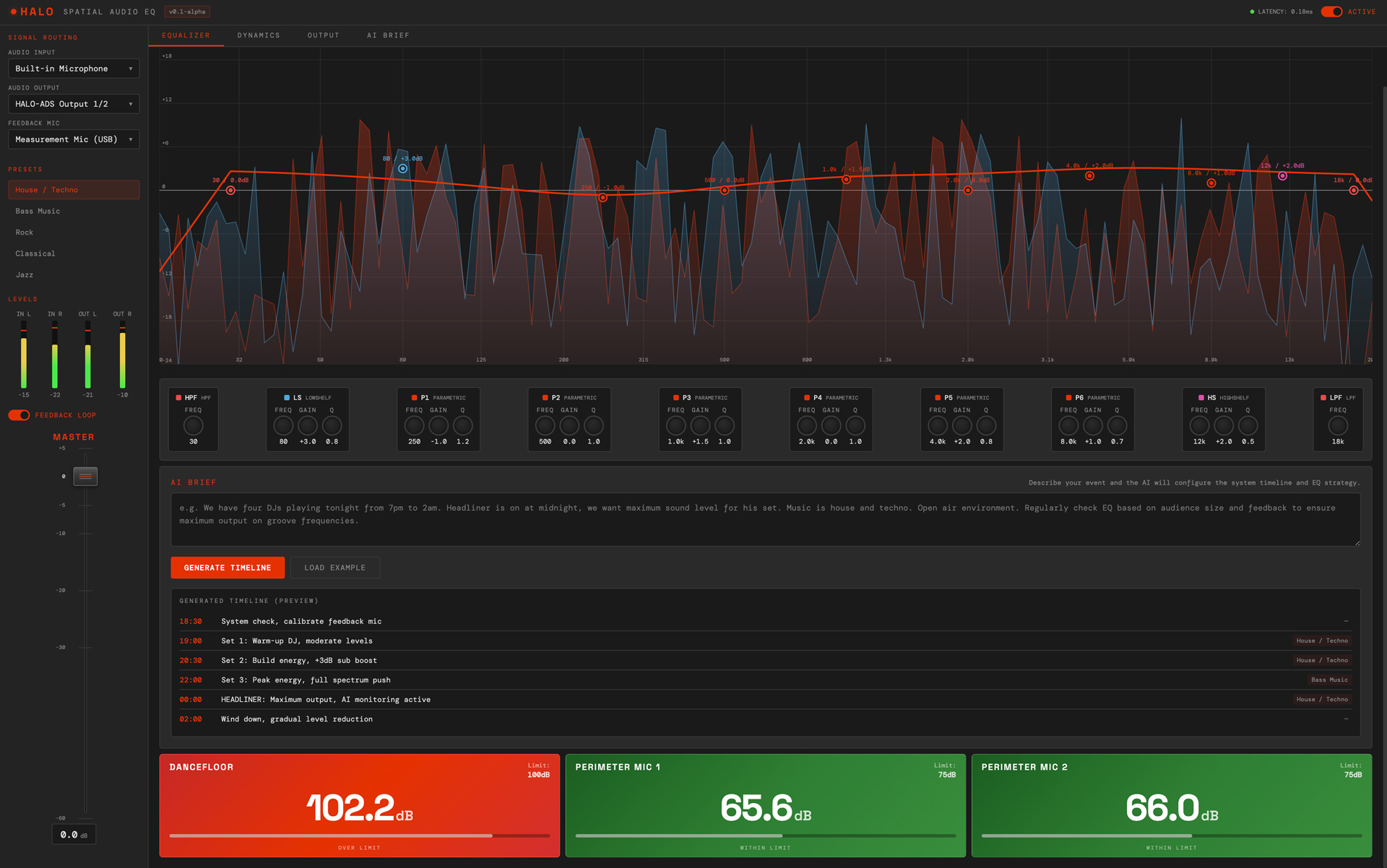
Halo Maestro is the intelligent control layer we are building into every system — a real-time acoustic engine designed to take the guesswork out of outdoor sound management and lets you get on with enjoying your event.

In Development

Auto Leveliser

Continuously monitors and adjusts output volume to maintain a smooth, consistent listening level across the dancefloor — preventing the urge to override the volume.

Adaptive EQ

Reads the audio signal in real time and adjusts the frequency balance to always ensure warm, impactful sound at any volume.

Redline Alert

Monitors DJ output against your permitted threshold and alerts visually and audibly if you breach it — keeping the night running without intervention from a sound engineer.

AI Flow Management

Brief Maestro on your music programme and objectives for the night. It manages EQ and volume curves across the event to match the energy of each set — from warm-up to peak time, without manual adjustment.

The goal: a system intelligent enough that the music does exactly what you intended — without needing a sound engineer.

Turnkey Systems

Choose your stage.

Halo Stage
01

Halo Stage Lite

£57,999 + tax
AES Power8,120 W
Frequency35–18,000 Hz
Footprint68 sqm
Total Weight623 kg
Enquire →
Halo Stage
03

Halo Stage XB

£79,999 + tax
AES Power17,960 W
Frequency30–20,000 Hz
Footprint68 sqm
Total Weight715 kg
Enquire →
Module Family

Build your own.

Configure a custom Halo array for larger events. Choose a starting point and our team will spec the full system.

Midtop Speaker
01

Midtop Speaker

12" Point Source Co-axial

AES Power400 W
Freq. Range50–20,000 Hz
Sensitivity95 dB
Weight11.5 kg
£1,800
Bass Speaker
02

Bass Speaker

12" Mid Woofer

AES Power1,000 W
Freq. Range45–2,500 Hz
Sensitivity95 dB
Weight12.6 kg
£2,100
Subwoofer
03

Subwoofer

12" Subwoofer

AES Power1,000 W
Freq. Range45–2,500 Hz
Sensitivity93 dB
Weight12.6 kg
£2,100
Midtop Small
04

Midtop Small

5" Point Source Co-axial

AES Power120 W
Freq. Range100–18,000 Hz
Sensitivity91 dB
Weight5.4 kg
£1,200
Blank
05

Blank

Blank Baffle Plate

Height241 cm
Width362 cm
MaterialAlu. 6082
Weight4 kg
£800
LED/Video Light
06

LED/Video Light

Integrated LED Panel

Power50W / 25W
Brightness4,500 Nits
Refresh Rate3,840 Hz
Weight5 kg
£POA Coming Soon

Common Questions

FAQ.

Is this commercially available?

Yes. Halo systems are available to order now. Join the waiting list or contact us directly to discuss your event or venue.

How loud can it go?

The largest standard configuration (Halo Stage XB) delivers 17,960W AES — festival-scale output with headroom to spare. Every seat in the audience hears the same level, regardless of position.

Weatherproof?

Yes. All Halo systems are built to marine-grade specification, designed for outdoor environments including coastal, exposed, and high-humidity sites.

Setup time?

The Halo Nomad deploys in under 4 hours with a two-person crew. Permanent and larger touring installations vary by configuration — our team handles full logistics and on-site support.

Power requirements?

Standard three-phase supply. Exact draw depends on configuration and event scale. Our team provides a full power specification as part of the system design process.

Scalability?

Halo scales from intimate 100-person events to festival stages of 5,000+. The same interchangeable acoustic modules, the same sound signature — add capacity without changing the system architecture.

Cost range?

Systems start from £57,999 for the Halo Stage Lite. Custom configurations and larger arrays are priced on application. All systems include structure, hanging lines, crossover, DSP amplification, and speaker cables.

Licensing implications?

Sound Shield™ reduces neighbour-level sound by over 27dB within 15 metres — independently verified. This changes what's achievable under existing noise permits and has enabled venues that previously couldn't hold amplified events to operate freely, without variance or restriction.

Touring compatible?

Yes. The Halo Nomad is built specifically for touring — flat-pack logistics, rapid on-site assembly, and full Halo sound quality wherever the event takes you. The modular system design means components travel efficiently and configure quickly on any site.